
International hip resurfacing meeting | 2—3 October 2026
Overview
Back for its second year, this international meeting builds on the success of 2025 by expanding into a two-day programme—now including hands-on practical workshops in direct response to delegate feedback. Early bird fees are available until 1 August 2026—secure your place early to take advantage of the discounted rate.
Delivered in partnership with Cleveland Clinic London and Orthopaedic Research UK, this international meeting will explore the evolving role of hip resurfacing in contemporary arthroplasty practice. Building on the success of the 2025 Modern Hip Resurfacing conference, the meeting will bring together leading international surgeons, researchers and engineers to examine current evidence, surgical techniques, implant innovation and long-term outcomes.
The scientific programme on Day 1 will combine expert lectures, moderated debates and interactive case-based sessions examining patient selection, surgical approaches, revision strategies, implant design and contemporary outcomes data, with protected time for discussion and audience participation.
A second day at Cleveland Clinic London and optionally at other venues will provide the opportunity for faculty led technical workshops with limited capacity, focusing on surgical decision making, operative technique and practical aspects of hip resurfacing through simulation and case-based teaching using different approaches.
The meeting is aimed at orthopaedic consultants, fellows and senior trainees with an interest in hip reconstruction, as well as allied health professionals involved in perioperative care and rehabilitation.
Educational aims
The meeting aims to provide an update on modern hip resurfacing and its role alongside total hip arthroplasty in the management of degenerative hip disease.
It will examine contemporary outcomes data, surgical technique, implant innovation and complication management, while addressing the training and governance frameworks required for safe clinical adoption.
Learning objectives
By the end of the meeting, participants should be able to:
- Understand current indications and patient selection for hip resurfacing
- Interpret contemporary registry and clinical outcomes data relating to resurfacing
- Recognise key surgical principles required to perform resurfacing safely and reproducibly
- Identify modes of failure and appropriate revision strategies
- Understand the engineering principles behind modern resurfacing implants and materials
- Appreciate the role of 2D and 3D planning and assistive technologies including psi and robotics in resurfacing surgery
Programme coming soon
-
40 spaces remainingInternational hip resurfacing meeting | 2—3 October 2026Location Day 1: Royal Society of Medicine, London Day 2: Cleveland Clinic London
Convenors:
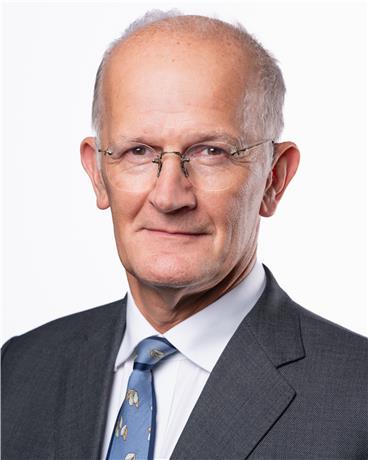
Professor Justin Cobb
Consultant Orthopaedic Surgeon, Cleveland Clinic London
Prof Justin Cobb has been chair of orthopaedics at Imperial College since 2005. His practice focuses on conservative surgery, aiming to resurface worn out joints rather than replace them. In the hip, this means using hip resurfacing technologies, and in the knee, a conservative approach focuses on relining the damaged compartments, and avoiding total joint replacement whenever possible.
Prof Cobb runs the musculoskeletal lab at Imperial, which is home to a group of surgeons, engineers and scientists working in the field of arthrosis and its management. Research includes device design, VR training in surgical skills, and activity analysis.
After training in Oxford and the Middlesex Hospital, Prof Cobb was appointed consultant surgeon at University College London Hospital (UCLH), spending 15 years concentrating on limb salvage and robotics. His clinical work was previously undertaken at King Edward VII Hospital, and he was recently appointed orthopaedic surgeon to His Majesty the King, having looked after his parents for 18 years before this.
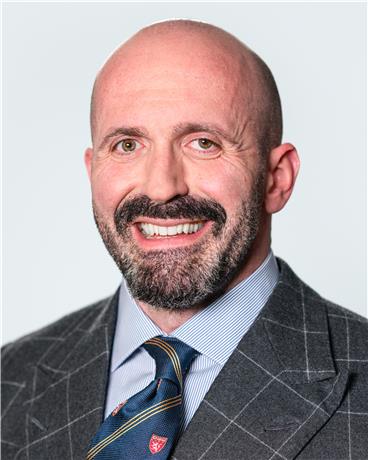
Mr Panagiotis Gikas
Consultant Trauma and Orthopaedic Surgeon, Cleveland Clinic London
Mr Panagiotis Gikas is a Consultant Orthopaedic Surgeon at Cleveland Clinic London and the South West London Elective Orthopaedic Centre, specialising in hip surgery. He is a leading expert in the direct anterior approach to hip replacement, a minimally invasive, muscle-sparing technique that facilitates faster recovery and improved functional outcomes. Mr Gikas routinely employs robotic-assisted technology to enhance precision in both primary and complex revision hip arthroplasty.
His clinical interests encompass hip resurfacing procedures, and he actively contributes to research aimed at advancing surgical techniques and implant design in hip reconstruction. Additionally, Mr Gikas has a strong background in orthopaedic oncology, focusing on the management of bone and soft tissue tumours.
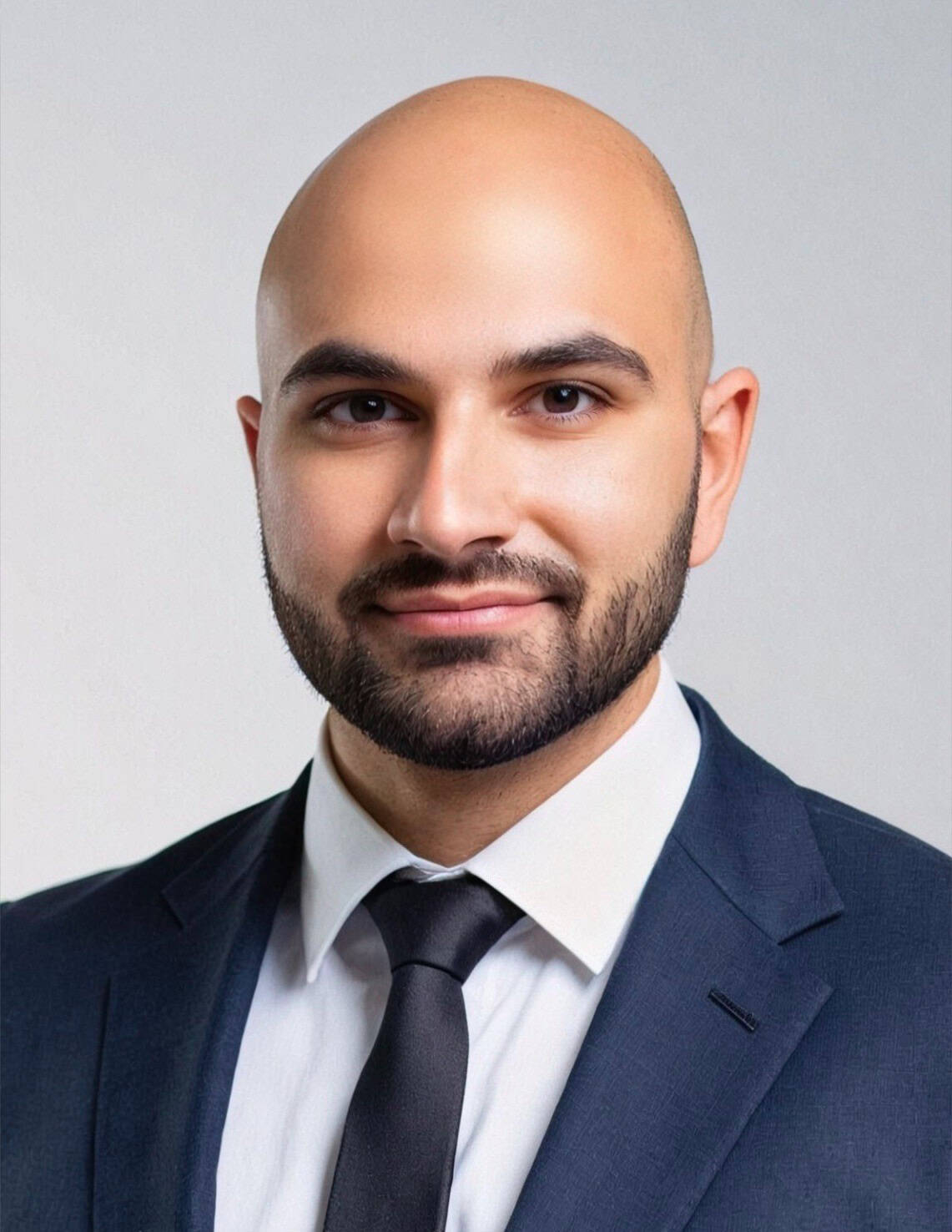
Mr Amir Ardakani
Senior Orthopaedic Trainee, Royal National Orthopaedic Hospital
Mr Amir Ardakani is a senior orthopaedic trainee on the Royal National Orthopaedic Hospital (RNOH) rotation and a current hip and knee fellow at Cleveland Clinic London. He is undertaking an MD at Imperial College London focused on advancing surgical education through competency-based training and supporting the adoption of the direct anterior approach to the hip, from hemiarthroplasty to hip resurfacing.