
2nd Advanced online course on the paediatric foot
Overview
Following the popular and successful first course in 2022, this course explores the latest developments in the assessment and treatment of foot conditions in children. Rather than relying on didactic lectures, the programme uses real case vignettes to explore new directions, novel concepts, and learning from recent literature and guidelines. It addresses key controversies, red flags and referral criteria, while promoting a common language and understanding between physiotherapists, allied healthcare professionals and paediatric orthopaedic surgeons. The course aims to encourage communication and collaboration across disciplines, ensuring that professionals can work together in the best interests of their young patients.
The course is suitable for physiotherapists who assess or treat children as part of their clinical caseload. It is also relevant to other allied health professionals (AHPs), including podiatrists, orthotists, prosthetists and first contact practitioners (FCPs), as well as paediatric orthopaedic nurses and occupational therapists (OTs). It may also be of interest to medical clinicians, including General Practitioners (GPs), paediatricians, and paediatric orthopaedic trainees and junior consultants.
ORUK will no longer be the delivery partner for this event. If you are interested in attending, please email events@oruk.org to register your interest. We will provide an update once further details are available and the new delivery partner has been confirmed.
Format
- 6 weekly online interactive webinars
- Expert panel consisting of senior physiotherapists, podiatrists, orthotists, clinical nurse specialists and orthopaedic surgeons
- Focus on illustrative cases to introduce the learning points and hacks to making sound clinical decisions
- Concluding “round-table” discussion of cases, controversies and challenges, with questions posed by delegates
- Pre-and post-webinar reading material consisting of recent quality review articles and national guidelines where appropriate
- Opportunity for delegates to submit their own cases for discussion
Week 1: Anatomy, principles and assessment – 11 January 2027
Week 2: The hindfoot; toe-walking, equinus, calcaneus and valgus – 18 January 2027
Week 3: The painful flatfoot in typically developing and developmentally delayed children – 25 January 2027
Week 4: Talipes equinovarus; idiopathic, secondary, neglected, persistent and recurrent – 1 February 2027
Week 5: The cavovarus foot and other neurological deformities – 8 February 2027
Week 6: The forefoot; hallux valgus and lesser toe deformities – 15 February 2027
Convenors:
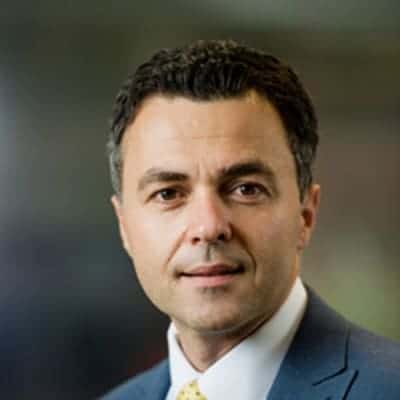
Mr Michail Kokkinakis
Honorary Reader (Associate Professor) in Paediatric Orthopaedic Surgery, King’s College London & Consultant Orthopaedic Surgeon, Evelina London Children’s Hospital
Michail is the Head of Adolescent Hip Preservation Surgery at Guy’s and St Thomas’ NHS Foundation Trust. His additional subspecialty interests include the modern management of orthopaedic conditions in children with Cerebral Palsy and Spinal Muscular Atrophy, as well as the treatment of complex paediatric foot pathologies.
He completed his medical degree at the University of Frankfurt in Germany and has undertaken specialist fellowship training at the Royal Children’s Hospital in Glasgow, Evelina London Children’s Hospital, and the Royal National Orthopaedic Hospital in Stanmore.
Michail is a member of the British Society for Children’s Orthopaedic Surgery (BSCOS), the British Society for Surgery in Cerebral Palsy (BSSCP), and the European Paediatric Orthopaedic Society (EPOS). He currently serves as Chair of the Cerebral Palsy Integrated Pathway for South East England.
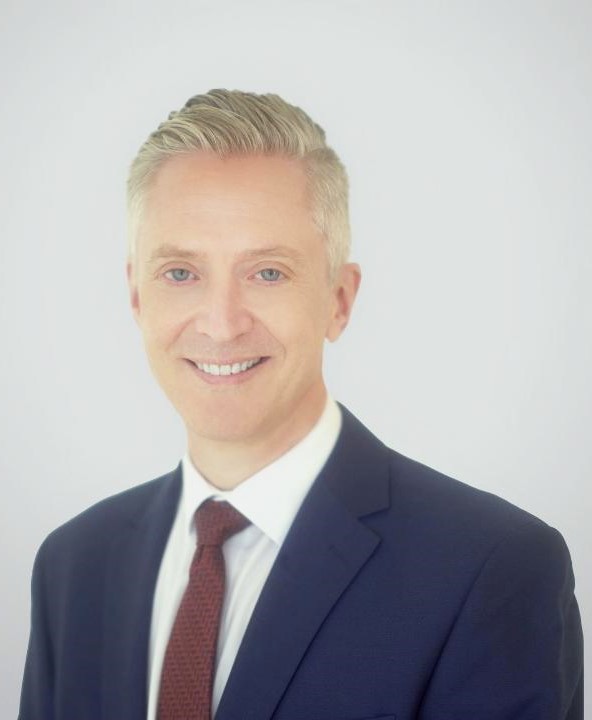
Mr Gavin Spence
Consultant Paediatric Orthopaedic Surgeon, Evelina London Children’s Hospital
Gavin Spence is a full time Consultant Paediatric Orthopaedic Surgeon at Evelina London Children’s Hospital. His particular clinical interest is in external fixation and limb deformity correction. Prior to this he was a consultant for King’s College Hospital London (Dubai) and Great Ormond Street Hospital for Children, treating children with a variety of tertiary paediatric orthopaedic conditions including neuromuscular pathology. He trained in London and Cambridge, with fellowships in Great Ormond Street, Stanmore, and Adelaide.